5 surprising activities that can help you manage anxiety
While my website is primarily for showcasing my art (check out my work), I like to use my blog to write about topics that are important to me and that could help others to read. For that reason, I like to touch on mental health a bit. You might already be aware of a link between art and mental health (I have written about it before in my Art & Therapy post) and this post will focus on some of the activities that can help you to manage anxiety.
If you feel like you need to see or speak to a professional, please do. It is very easy to refer yourself (you do not need to go to your GP). There will be an initial questionnaire to determine severity of both depression and anxiety symptoms, followed by an assessment phone call to determine what line of treatment would be most suitable (they could offer online CBT services, one-to-one counselling, or even group sessions). Please visit https://www.selfhelpservices.org.uk to find services near you - wait time can be around 6 weeks depending on your area and the urgency.
Defining anxiety
So, the word really is thrown around a lot, and anyone who watches Keeping Up With The Kardashians (me) will have heard at least 3 of them say the words so casually “this is giving me anxiety”. But what actually is anxiety and how do you identify whether the levels you’re experiencing are anything to be concerned about?
Anxiety is usually described as a persistent state of worry or fear that is difficult to control. These feelings might be mild, or they might be severe enough to stop you doing things like seeing friends or going to work. Some of the core symptoms are below and you can read more on the NHS website here.
Restlessness
Feeling ‘on edge’
Sense of impending doom
Irritability
Difficulty concentrating
Sleep problems
I have mentioned my experience with stress and anxiety a couple of times and I am sure that many of you will have your own experiences as well. For me, stopping myself from getting lost in my own head in a negative downward spiral of worrying is a priority, and to do that I basically need to shift my focus onto something that doesn’t really allow my mind to wonder. While I will talk about art, there are plenty of other things that work in a similar way. I have been recommended the mindfulness app Headspace a number of times, but I personally really struggle with doing something that I don’t see as productive (which is wrong I know, I will work on that!) so, for now, I like to choose something that focuses my mind, stops the worrying, and has some other goal.
Identifying Triggers
While managing your anxiety is important, you should also consider what factors in your life could be making your anxiety worse. Common things that can make anxiety worse include caffeine, alcohol, social media, stress and medications, to name a few. Some of these are understandably harder to cut out than others, e.g. there are plenty of medications from birth control to antibiotics for acne to heartburn meds that have been linked to anxiety and depression if used long term. If you are concerned that your anxiety could stem from something that you are currently prescribed, do some research into links and side effects, however you will need to talk to your GP and make a fully informed decision about whether to change any of these medications.
There are some easier changes that you can make in the meantime. For me, I have found that deleting the Twitter app from my phone to stop myself from mindlessly digesting constant bad news from when I wake up to when I go to sleep has helped. I have also found that limiting my caffeine intake during bad periods helps (I am a coffee addict though so I couldn’t completely cut it out).
All of that being said, here are 5 activities that can help you manage your anxiety - some of them might be surprising…
Managing your symptoms
Art
Being a true art-enthusiast, of course I am going to talk about art first. The absolute best thing about art, for me, is that it helps me to completely lose sense of time, and focusing on creating something leaves no room for intrusive thoughts or worries. Unless I have a disaster (which definitely does happen sometimes- my dog walked paw prints over a wet painting once), I usually finish feeling calm, relaxed, and accomplished.
Sketching outside boasts the benefit of providing fresh air and nature, however when I’ve done this in the past, I’ve ended up frustrated with the bugs, blinded by the sun reflecting off my white paper (maybe try off-white if its a bright day), or completely abandoning my attempt due to excessive wind.
If you’re looking for something under the safety of a roof, I would highly recommend attending life drawing sessions. Life drawing is a really great way to truly immerse yourself for a couple of hours, classes are pretty easy to find in most cities, and many are beginner-friendly. Being surrounded by different people of different ages and abilities that all share the same goal can help you to focus your energy and stop thinking about time or any external worries. To be honest, it’s pretty hard to feel stressed and anxious when you are painting someone in the nude - maybe that’s why people to tell actors or public speakers to picture their audience naked to combat nerves, who knows.
You don’t need to be an ‘artist’ to reap the benefits of art for anxiety, and you can certainly try it in the privacy of your own home if bugs and naked strangers aren’t your thing... Adult colouring books became so popular a couple of years ago for a reason, and that is because of the therapeutic effects of putting pencil to paper - here’s some you can buy now in case you’re interested.
Cooking
Some of you might laugh at this one because cooking can definitely be stressful (I’ll admit it - I have cried when I’ve baked a cake wrong), but it also can be super therapeutic. First of all, I would suggest cooking alone rather than with someone as the phrase ‘too many cooks in the kitchen’ really is a thing, and arguing over whether your partner has chopped the onion small enough (while simultaneously crying because of said chopped onion) really won’t help you. Secondly, it’s up to you whether you choose something simple or challenging. Depending on your personality type, you might feel better going for a simple one-pot dish or you might appreciate the challenge of something trickier.
There are certain scents that have been shown to boost mood so you could even incorporate one of these into your cooking - citrus (orange, lemon, lime), peppermint, and rosemary.
Try one of these:
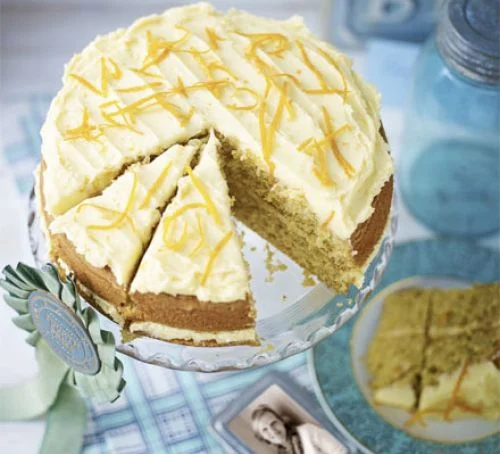
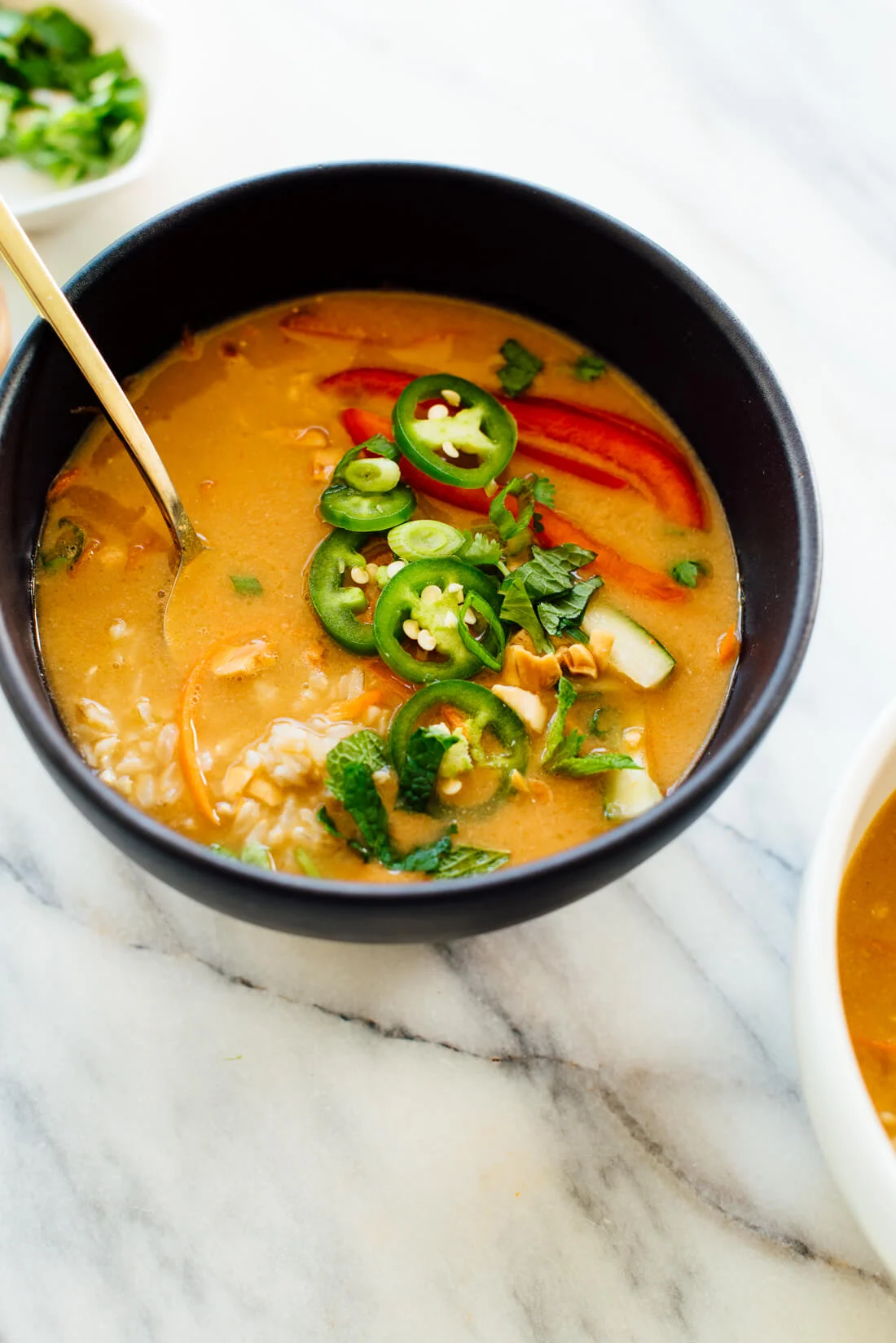


Exercise
Exercise - for me - is a no brainer. Exercise releases endorphins, improves concentration, and helps you sleep better. Regular exercise can seriously help alleviate symptoms in the long-term and even just one session can clear your mind and improve how you feel. Be cautious though as there are certain types of exercise that could aggravate stress levels and that is not what we are wanting to do here. Avoid rigorous exercise such as HIIT and powerlifting as these can stress the body further and increase your anxiety symptoms. Try slowing down your resistance and strength workouts, and switch them up with gentle stretches, yoga, steady bike rides, and walks. Most importantly, find a way to exercise that you enjoy as feeling like you ‘have to go to the gym’ turns it into a chore. Personally, yoga is not for me, so I don’t force myself to take it up, but I know others who love it. My preferred forms of exercise are slow resistance sessions at the gym, with lots of breaks, and long walks outside.
Writing
Writing is a core part of my job, but it doesn’t feel like work because it is something that I enjoy. Keeping my personal blog is a great way for me to focus my mind for a morning or an evening and I get to write about things that I enjoy and topics that really engage me. You don’t need to start a blog or write for an audience for this to benefit you, and there are many ways to use writing as an activity to manage your anxiety. Journalling, specifically, has been proven to be a great way to cope with anxiety and it involves writing down your thoughts and feelings to help you understand them better. Here’s a little how-to guide I have found for anyone that wants to try journalling. Other forms of writing that can help you include writing a book or a memoir, starting a blog (private or public), writing recipes, or even poetry.
Meditation
Meditation has been shown to decrease tension in the body and help you to overcome anxiety, and you only need to dedicate a few minutes a day. If you don’t really know where to start, there are plenty of apps that offer guided meditation and there are even classes if you need motivation from someone else (check out buddhist and yoga centres). Okay, so meditation isn’t exactly ‘surprising’, and I’ll be real I don’t practise it. I went to a yoga class with my mum once and they started doing weird loud breathing and chanting to the point that I could not contain my giggles, much to the displeasure of the yogis around me. I’ve been told to try the Headspace app a few times but I still haven’t (sorry everyone). If anyone has some success stories from using this app please let me know and share for the other readers too!
So these activities are pretty much all just different ways that you can manage anxiety. Different things will definitely work for different people, and of course it is still vital to treat the cause and speak to a professional if you need to. Please let me know if there are any activities that have helped you!